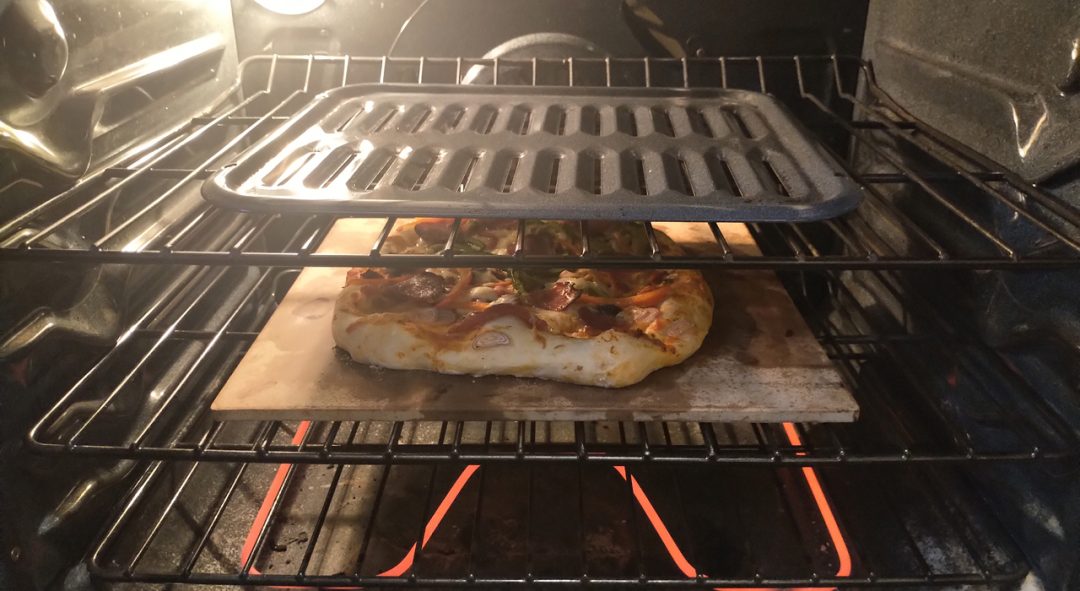
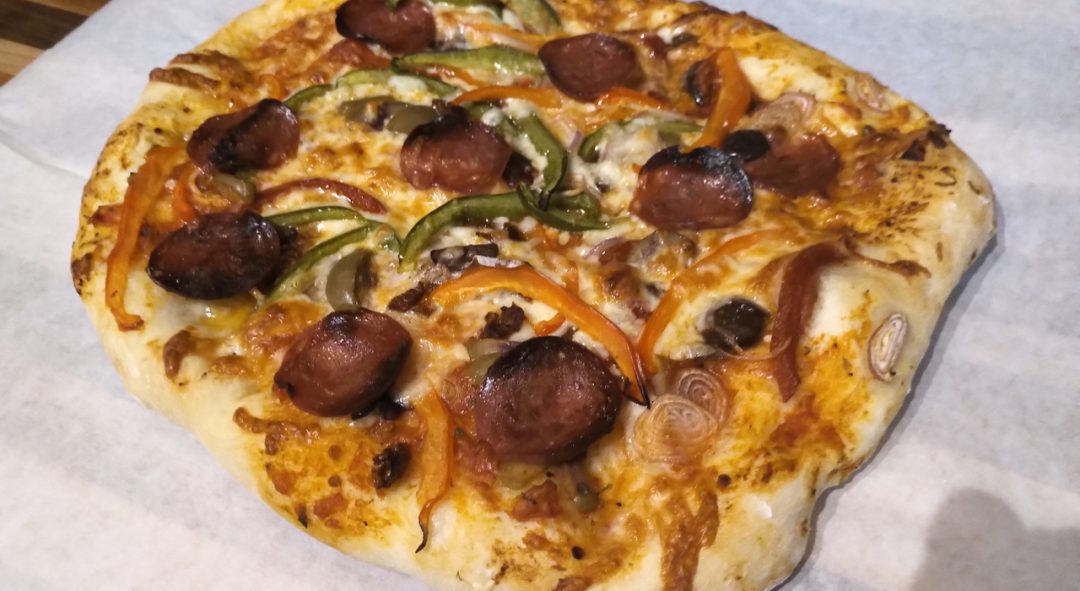
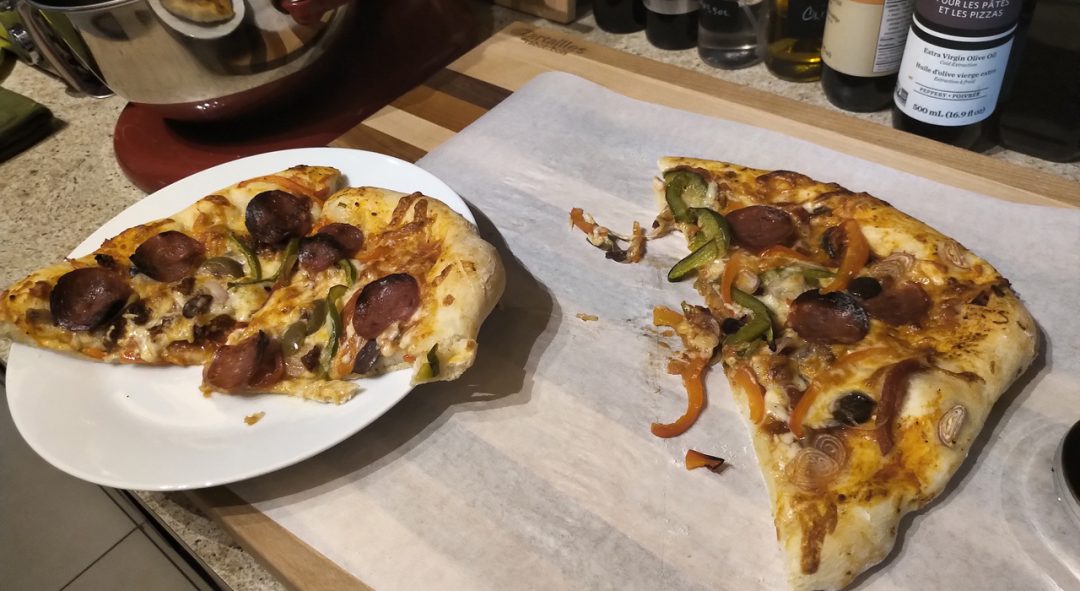
Neapolitan pizza dough is traditionally baked in a high-temperature wood-fired oven, but a home oven also works just fine. Remember that the quality of the ingredients is also important for a delicious pizza, so use good mozzarella, quality tomato sauce and fresh ingredients. Bon appetit!
This recipe is inspired by the original which takes much longer to prepare/wait (5 hours of autolysis and 20 hours of rest) and which must be prepared the day before, it is designed to be prepared in the morning and used the same evening. It is certain that the result will not be that of a Pizzaiolo from Naples... otherwise everyone would be ;), but it will be satisfying and delicious!
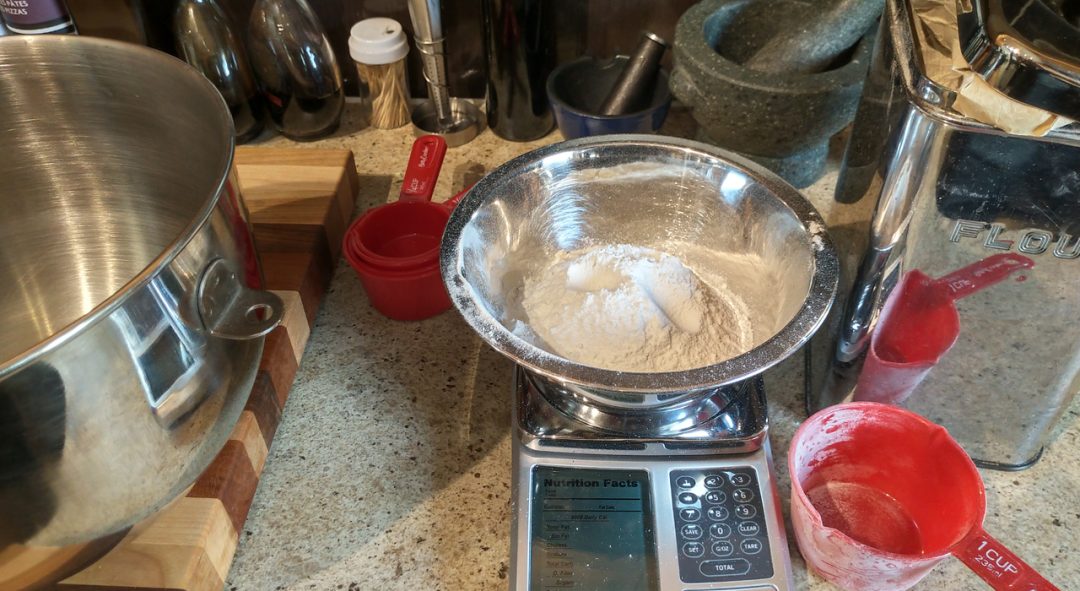
250g t45 or t55 flour (all purpose flour can be used, the result will be more basic pizza dough)
165ml warm water
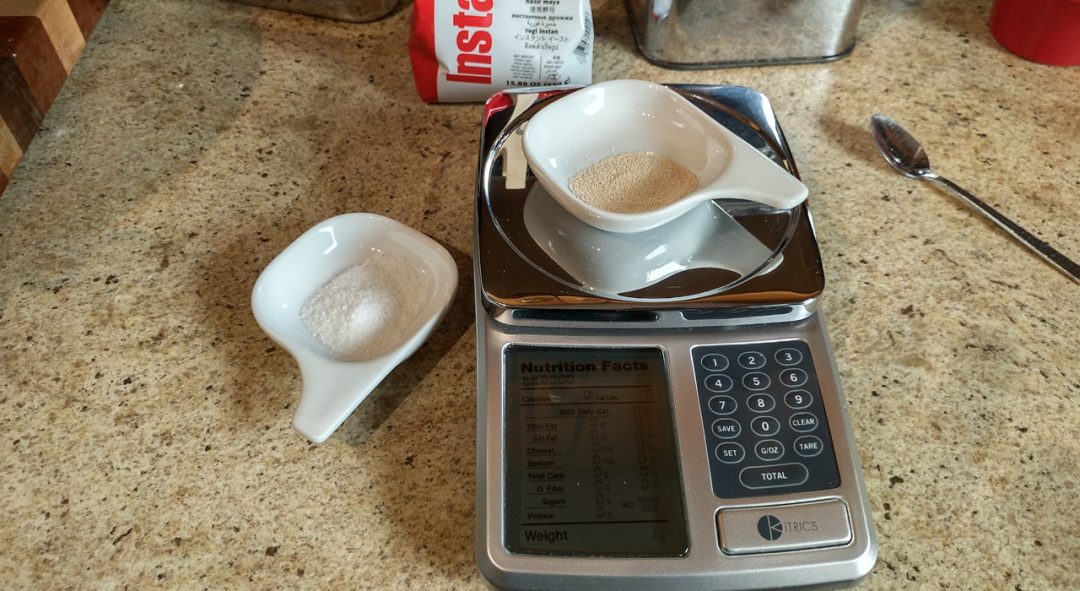
5gsalt
0.50g dry yeast
Alternative to fresh yeast if available
0.75g fresh baker's yeast
Préparation avec autolyse
1
Autolysis is a technique used in baking where flour and water are mixed together and allowed to sit for a period of time before other ingredients, such as yeast or salt, are added. During this resting period, the enzymes naturally present in the flour are activated, allowing for better gluten development and improved dough texture.
Autolysis typically takes 20 minutes to a few hours, depending on the recipe and desired results. Some bakers also choose to include other ingredients, such as sourdough or honey, during the autolysis phase.
Overall, using autolysis leads to a more airy result as well as improved flavor and increased dough extensibility.
2
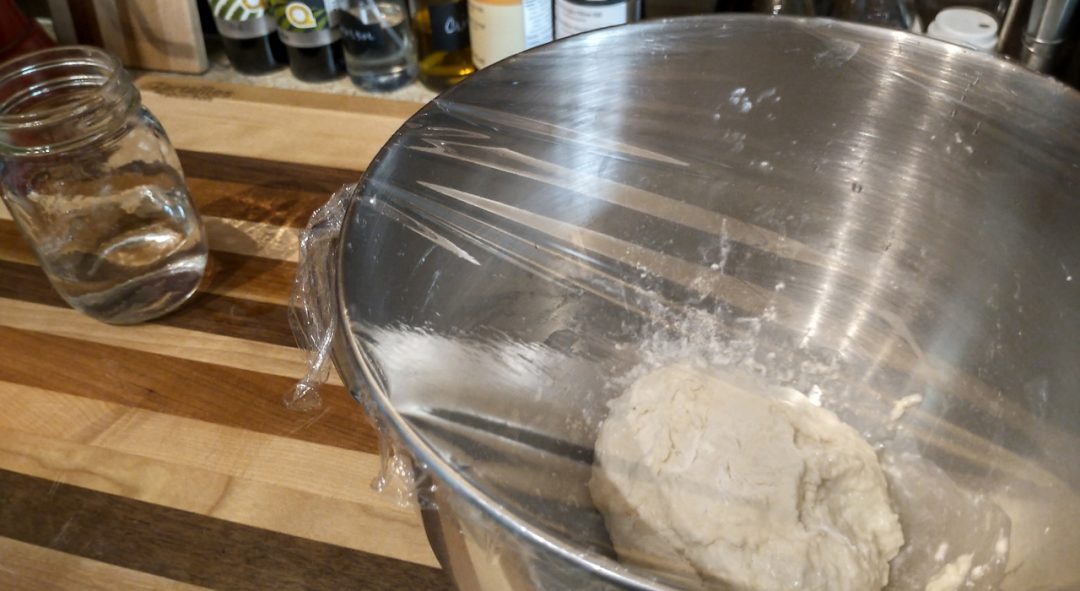
Mix without kneading the flour and water, leave to stand for 1 hour.
3
Add the salt and the yeast, knead for 5 minutes in a food processor or 10 to 15 minutes by hand. Continue to step 7.
Préparation sans l'étape autolyse
4
In a large bowl, combine the flour and salt.
5
Dissolve the yeast in a little lukewarm water and add it to the flour mixture.
6
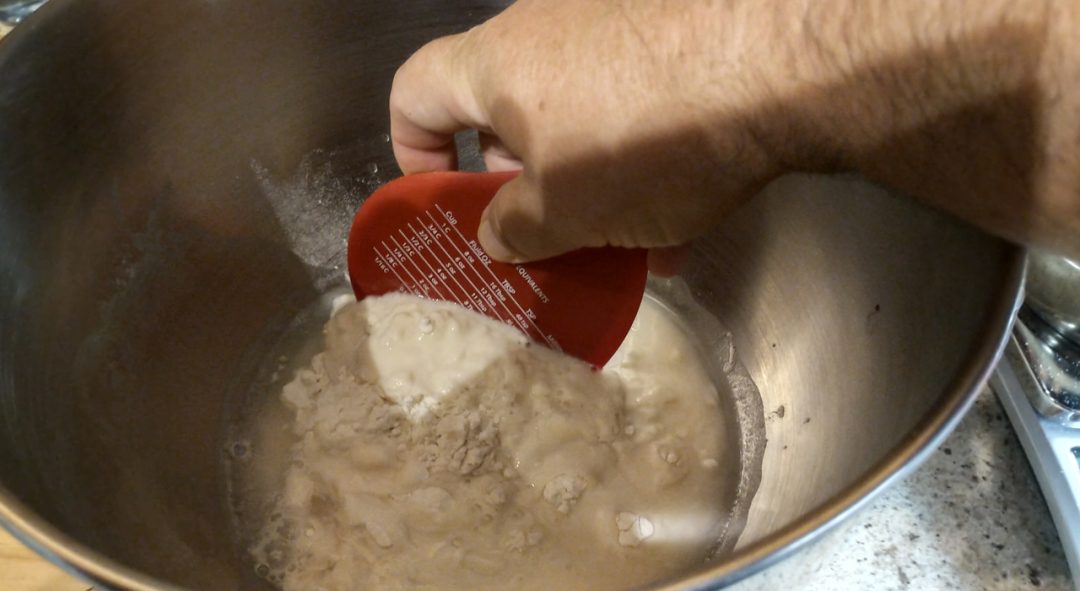
Mix until all the ingredients are well incorporated.
7
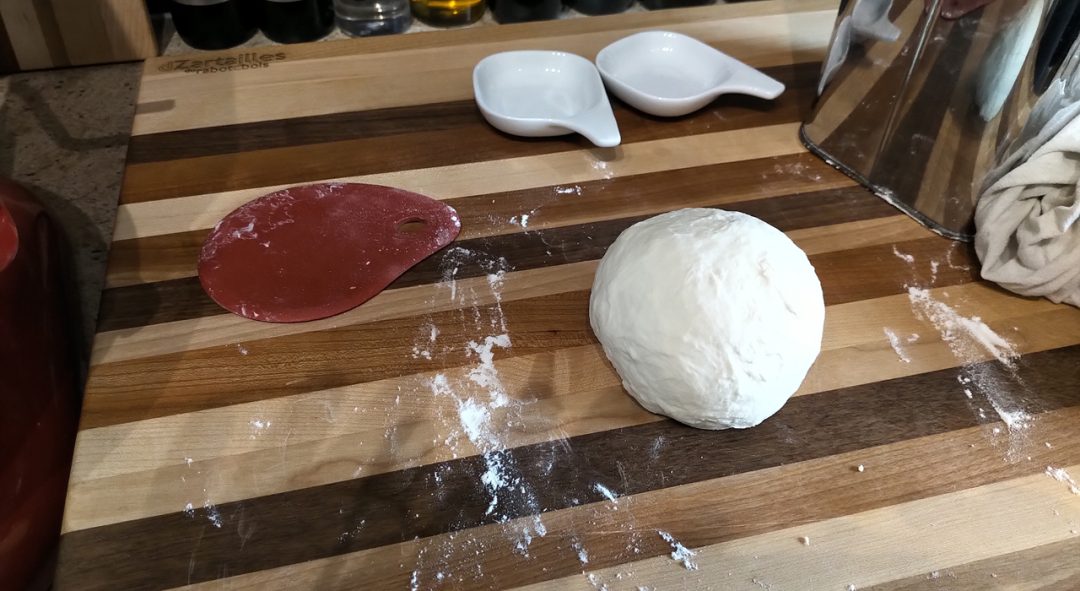
Knead the dough for about 10-15 minutes until it becomes smooth and elastic and forms a ball.
8
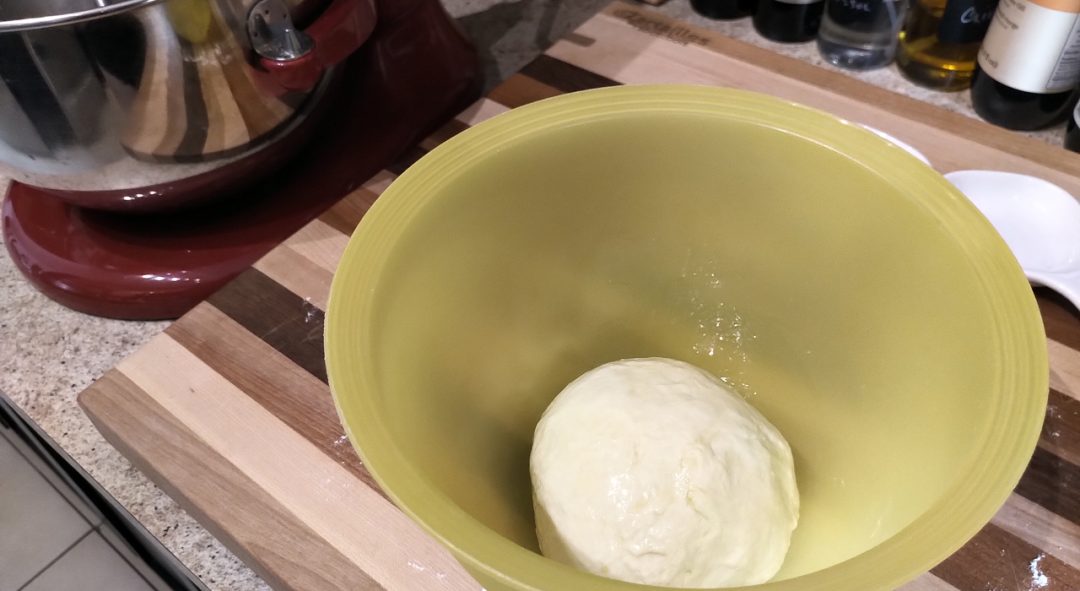
Form a ball with the dough and place it in a large oiled bowl.
9
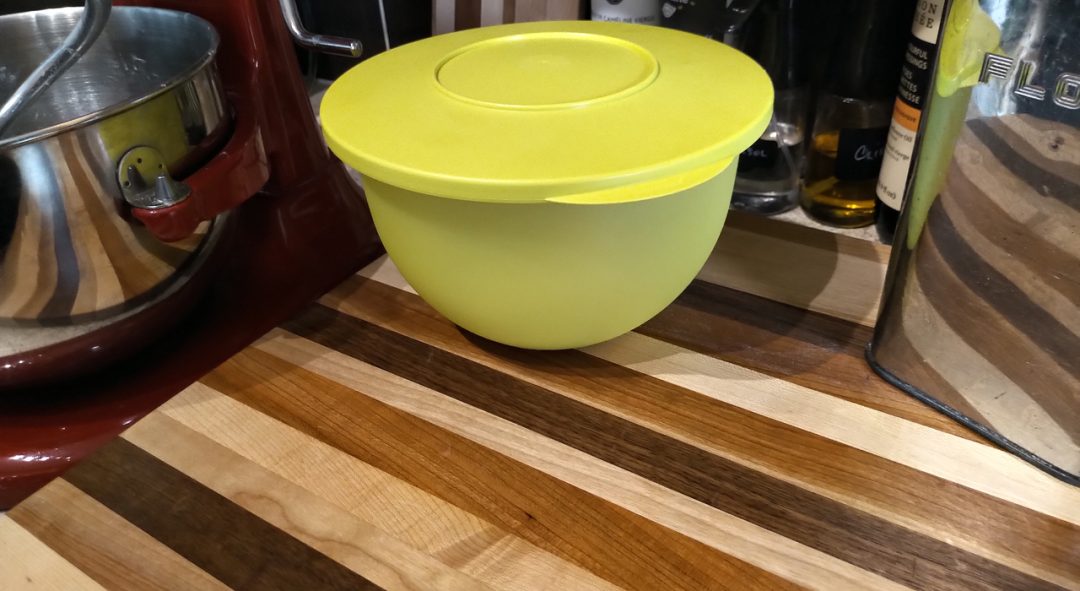
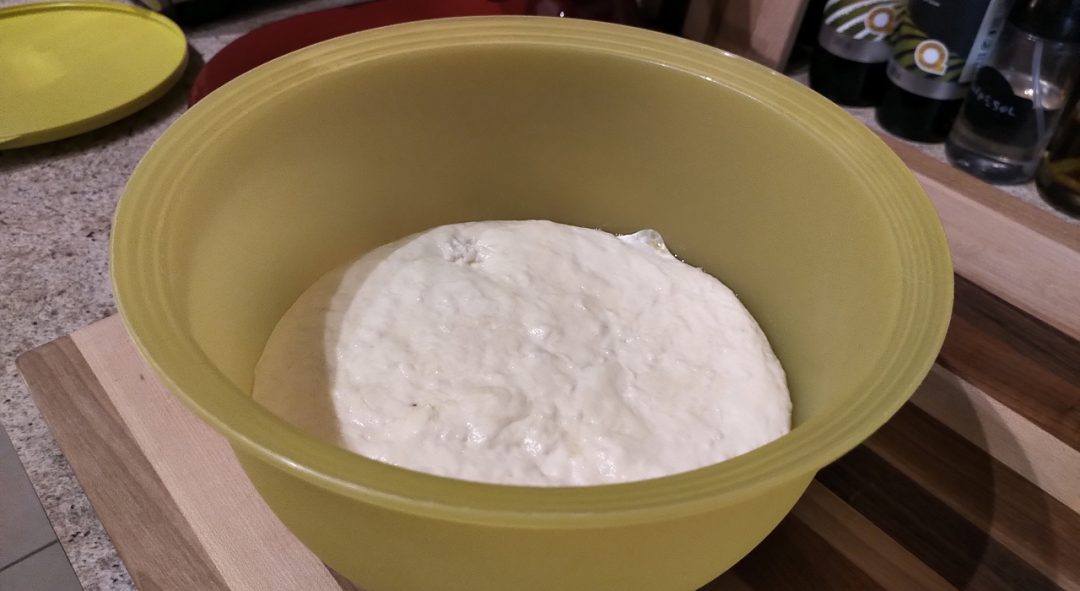
Cover the bowl with a damp cloth or a utensil and let the dough rest for about 4 to 6 hours, until it doubles in size.
10
Preheat your oven to 475F (250°C), if you used a pizza stone, leave it heated for at least 30 minutes.
11
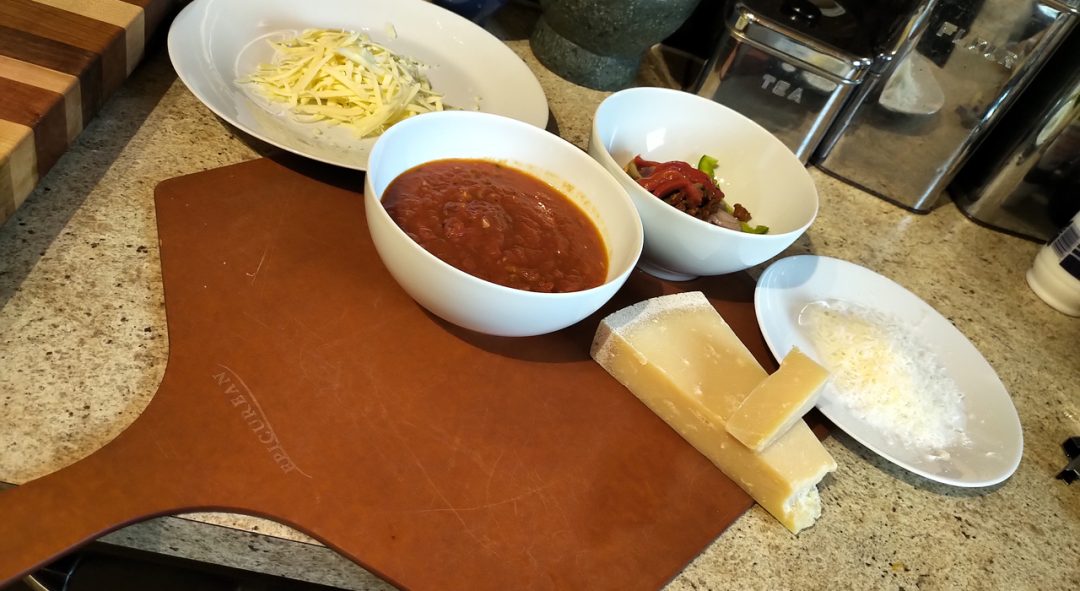
Meanwhile, cut and prepare your favorite toppings.
12
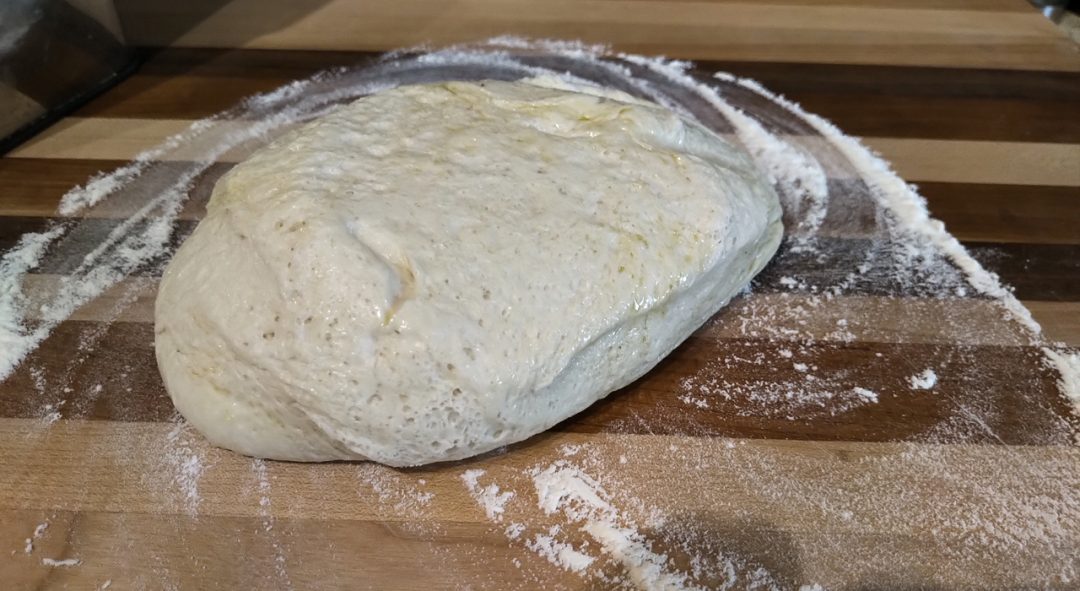
Roll out the dough on a floured surface until it has the desired thickness, I prefer it very thin.
13
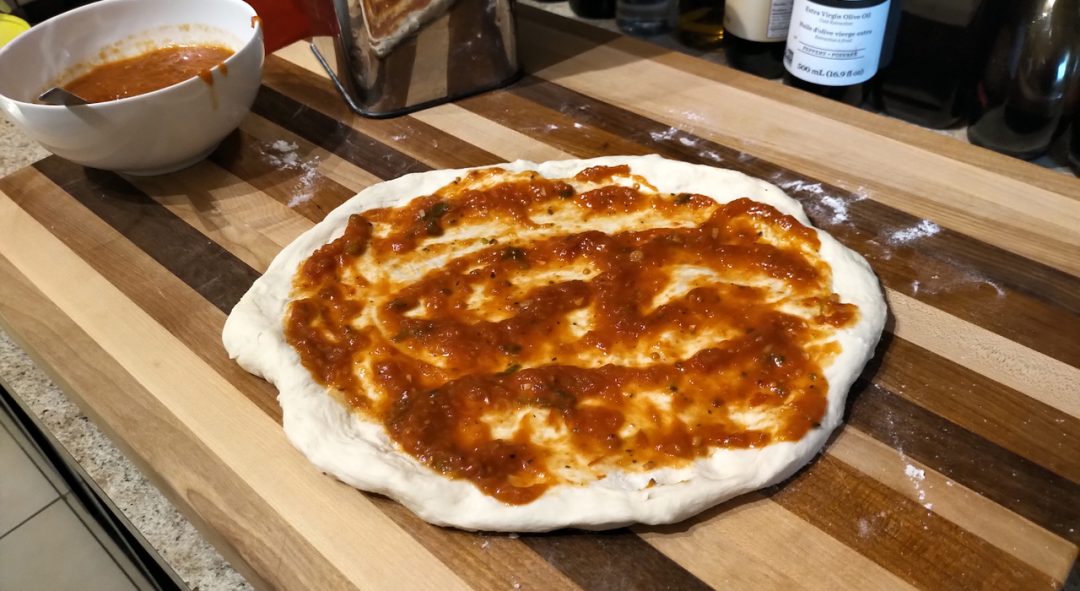
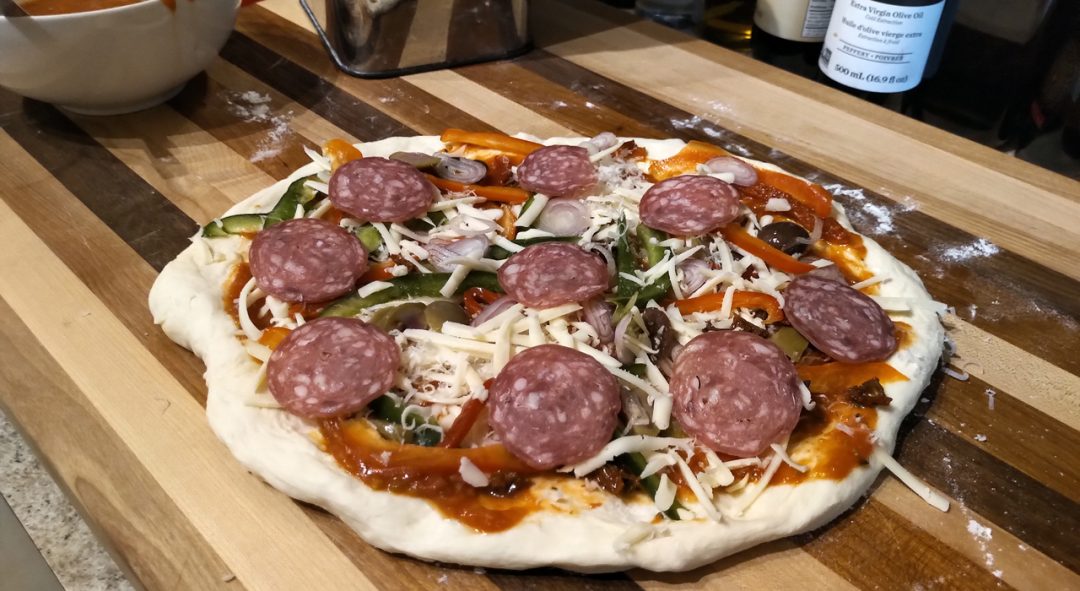
Add the ingredients of your choice.
14
Bake the pizza for about 20 minutes, or until the crust is golden and crispy.
15
Take out and let stand 1 min and taste!
Étapes en image
Ingredients
250g t45 or t55 flour (all purpose flour can be used, the result will be more basic pizza dough)
165ml warm water
5gsalt
0.50g dry yeast
Alternative to fresh yeast if available
0.75g fresh baker's yeast
Directions
Préparation avec autolyse
1
Autolysis is a technique used in baking where flour and water are mixed together and allowed to sit for a period of time before other ingredients, such as yeast or salt, are added. During this resting period, the enzymes naturally present in the flour are activated, allowing for better gluten development and improved dough texture.
Autolysis typically takes 20 minutes to a few hours, depending on the recipe and desired results. Some bakers also choose to include other ingredients, such as sourdough or honey, during the autolysis phase.
Overall, using autolysis leads to a more airy result as well as improved flavor and increased dough extensibility.
2
Mix without kneading the flour and water, leave to stand for 1 hour.
3
Add the salt and the yeast, knead for 5 minutes in a food processor or 10 to 15 minutes by hand. Continue to step 7.
Préparation sans l'étape autolyse
4
In a large bowl, combine the flour and salt.
5
Dissolve the yeast in a little lukewarm water and add it to the flour mixture.
6
Mix until all the ingredients are well incorporated.
7
Knead the dough for about 10-15 minutes until it becomes smooth and elastic and forms a ball.
8
Form a ball with the dough and place it in a large oiled bowl.
9
Cover the bowl with a damp cloth or a utensil and let the dough rest for about 4 to 6 hours, until it doubles in size.
10
Preheat your oven to 475F (250°C), if you used a pizza stone, leave it heated for at least 30 minutes.
11
Meanwhile, cut and prepare your favorite toppings.
12
Roll out the dough on a floured surface until it has the desired thickness, I prefer it very thin.
13
Add the ingredients of your choice.
14
Bake the pizza for about 20 minutes, or until the crust is golden and crispy.
Pour offrir les meilleures expériences, nous utilisons des technologies telles que les témoins pour stocker et/ou accéder aux informations des appareils. Le fait de consentir à ces technologies nous permettra de traiter des données telles que le comportement de navigation ou les ID uniques sur ce site. Le fait de ne pas consentir ou de retirer son consentement peut avoir un effet négatif sur certaines caractéristiques et fonctions.
Fonctionnel
Always active
Le stockage ou l’accès technique est strictement nécessaire dans la finalité d’intérêt légitime de permettre l’utilisation d’un service spécifique explicitement demandé par l’abonné ou l’utilisateur, ou dans le seul but d’effectuer la transmission d’une communication sur un réseau de communications électroniques.
Préférences
Le stockage ou l’accès technique est nécessaire dans la finalité d’intérêt légitime de stocker des préférences qui ne sont pas demandées par l’abonné ou l’utilisateur.
Statistiques
Le stockage ou l’accès technique qui est utilisé exclusivement à des fins statistiques.Le stockage ou l’accès technique qui est utilisé exclusivement dans des finalités statistiques anonymes. En l’absence d’une assignation à comparaître, d’une conformité volontaire de la part de votre fournisseur d’accès à internet ou d’enregistrements supplémentaires provenant d’une tierce partie, les informations stockées ou extraites à cette seule fin ne peuvent généralement pas être utilisées pour vous identifier.
Marketing
Le stockage ou l’accès technique est nécessaire pour créer des profils d’utilisateurs afin d’envoyer des publicités, ou pour suivre l’utilisateur sur un site web ou sur plusieurs sites web ayant des finalités marketing similaires.